AI for law firms
Your clients have already decided what they’ll pay you for.
LegalZoom’s 2026 survey of 1,000 US entrepreneurs and business owners contains a finding most law firms will read as a threat. Only 18% had never used AI in place of a professional service. Of those who had, half said it handled most or all of the work.
Read further and the picture changes. The same respondents drew a firm line: 38% would not rely on AI for high legal or financial risk decisions, and 33% would not rely on it where regulatory penalties are involved. Two-thirds consistently verify AI output with a trusted source. Their leading concern was accuracy.
Business owners haven’t stopped needing lawyers. They’ve redrawn the brief. They will do the drafting. They want the firm for the judgment about risk, and the check before they rely on what they’ve drafted.
That changes what a firm has to be good at. Three shifts follow.
1) From producing drafts to recognizing departures
The drafts clients send will rarely be absurd. They’ll be plausible: market-standard, confidently worded, and occasionally wrong for this particular client. In June, the Ninth Circuit warned that inaccuracies of this kind can be more dangerous than fabrications, because nobody notices them.
Reviewing a plausible draft from scratch is slow, and depends on the reviewer knowing what to look for. Checking it against positions the firm has already agreed with that client is fast, and doesn’t depend on who picks it up.
2) From individual memory to firm guidance
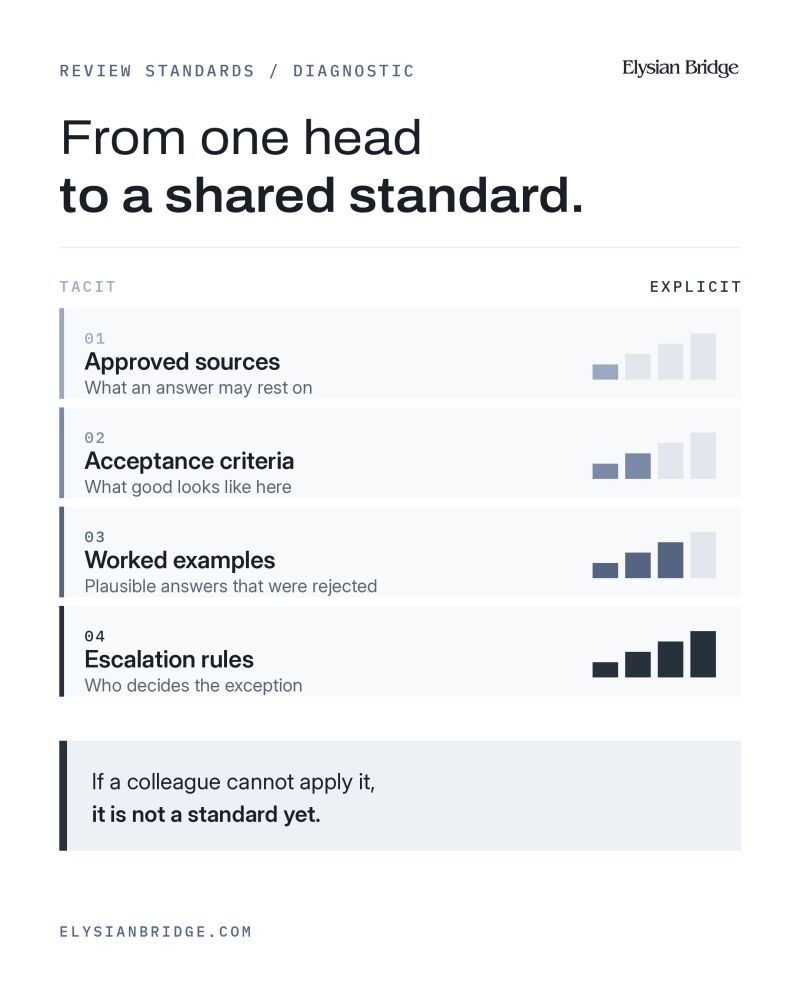
A partner’s amendment holds more than wording: a lesson from an earlier negotiation, a priority the client stated once, the reason a routine clause isn’t routine here. If that lives in an email, the firm’s answer to the client’s verification request is only as good as whoever happens to remember.
Captured as approved guidance, it becomes something the whole team can apply. But it has to be built into how the work moves. When a Mississippi federal court sanctioned lawyers on both sides of a case this June, one firm’s AI policy already required verification. It wasn’t followed.
3) From buying tools to designing the service
On 15 October, Harvey launched Legal Work Orchestration, which sequences a matter’s tasks and lawyer reviews into reusable templates. Capability like this will soon be widely available. What won’t be is each firm’s answer to three questions: which knowledge the system should apply, whose standard governs, and where a lawyer must intervene.
Measure what the client feels
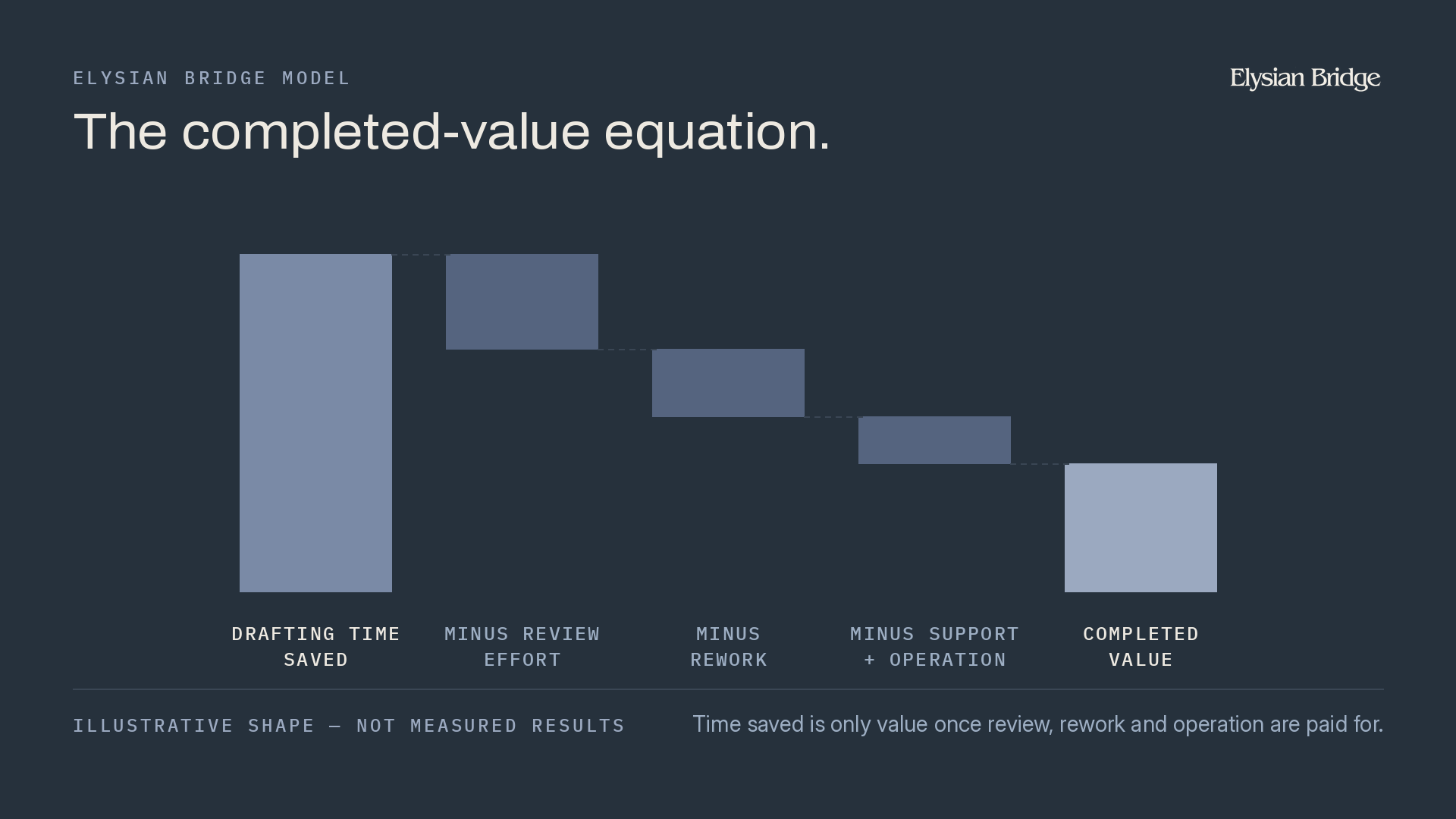
The survey shows clients already believe AI saves them time and money. A firm’s value is measured from that point forward: time to an agreed position, total professional effort through completion, and how often the client has to come back to clarify.
Three questions for Monday
- For your most frequent repeat client, where do the positions you agreed last year actually live?
If a junior lawyer reviewed that client’s next AI-drafted agreement tomorrow, what would they not know that your senior partner does?
- When a client asks for a “quick look,” is your firm set up to make that the most valuable thirty minutes of their week?
Sources
- LegalZoom: AI and Entrepreneurship in 2026
- Harvey: Legal Work Orchestration
- Bloomberg Government: Ninth Circuit sanctions order
- Lawyer Monthly: Mississippi sanctions
Let’s have a conversation.
Book a conversation